


Safe sleep during the neonatal and infant age is extremely important for accident prevention, as well as for reducing the risk of Sudden Infant Death Syndrome (SIDS).
SIDS refers to the sudden, unexplained death of a seemingly healthy infant, usually during sleep. It mainly affects babies up to 12 months of age, especially during the first 6 months of life.
Although the exact cause remains unknown, studies have confirmed certain risk factors that increase its likelihood.
Risk Factors Include:
- Premature birth or low birth weight
- Poor autonomic responses to environmental stimuli (e.g., smoke, nasal congestion, mild infections)
- Difficulty regulating breathing, body temperature, or heart rate
The American Academy of Pediatrics issued new revised guidelines for safe infant sleep in 2016, aiming to reduce the incidence of the syndrome.
- Sleep Position
- Infants should always be placed on their back to sleep (not on their stomach or side), unless medically advised otherwise.
- This is the safest position and significantly reduces the risk of SIDS.
- Crib or Sleeping Surface
- Use a firm mattress suitable for the baby’s age.
- Avoid soft surfaces, pillows, blankets, and stuffed toys in the crib.
- Room Temperature
- Keep the room comfortably cool (around 20–22°C / 68 72°F).
- It’s normal if the baby’s hands and feet feel cold.
- Avoid overdressing and heavy blankets—overheating increases the risk of SIDS.
- Room Sharing vs Bed Sharing
- It’s recommended that the baby sleeps in the same room, but not in the same bed as the parents, for at least the first 6 months.
- Place the crib or bassinet next to the parents' bed for easier monitoring.
- No Smoking
- Do not smoke indoors or near the baby.
- Secondhand smoke increases the risk of respiratory problems and SIDS.
- Sleep Routine
- Establish a consistent bedtime routine.
- Ensure the baby gets adequate sleep for their age.
- Avoid wedges, sleep positioners, or other supports unless prescribed by a pediatrician.
- Use a sleep sack instead of loose blankets.
- Light & Noise
- Keep the room dark or dim during sleep.
- Minimize noise and distractions for better sleep quality.
- Additional Protective Measures
- Pacifier use during sleep may reduce the risk of SIDS.
- Breastfeeding has a proven protective effect against SIDS.

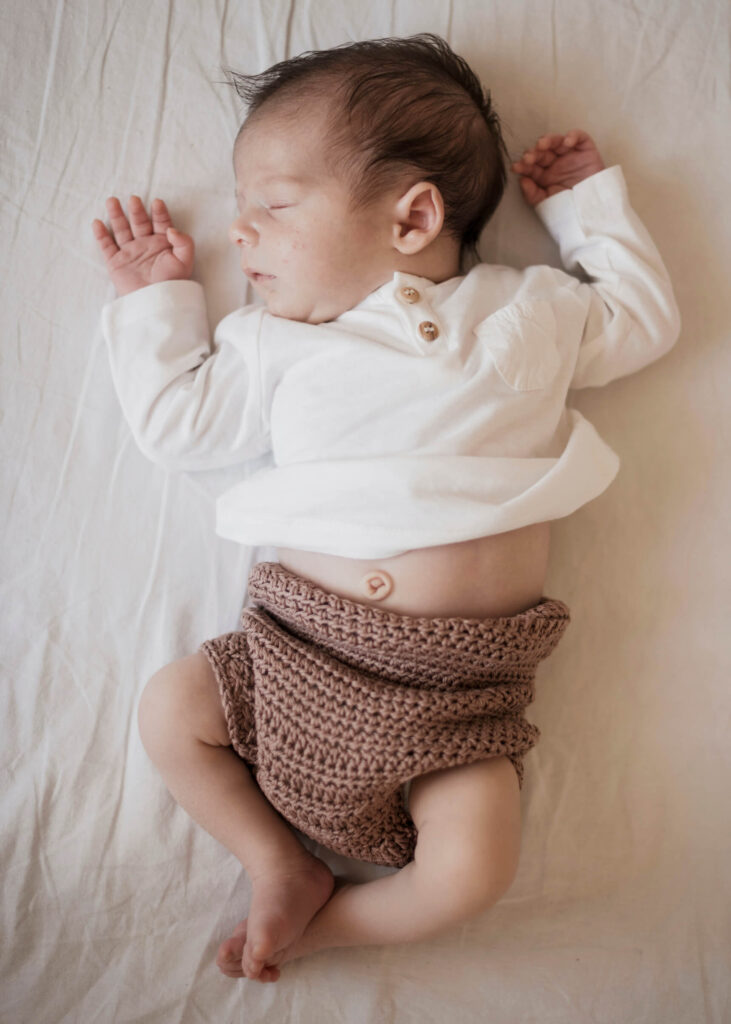

By following these safe sleep practices, you can help ensure a secure and healthy sleep environment for your baby.