

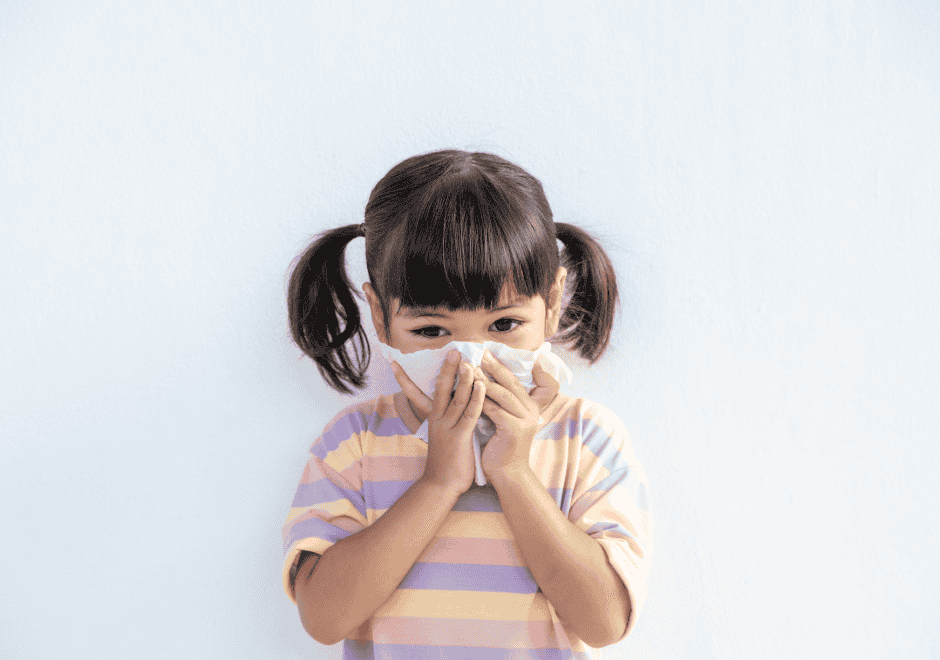
Winter Is Here – And So Are the Viruses
The flu in children is a common viral infection caused by the Influenza virus. It is
highly contagious and occurs more frequently during the fall and winter months.
Symptoms of flu in children:
- Fever (usually high, >38.5°C / 101.3°F)
- Chills
- Cough (dry or productive)
- Sore throat
- Muscle aches or joint pain
- Fatigue and weakness
- Runny or blocked nose
- Headache
- Vomiting or diarrhea, more common in younger children
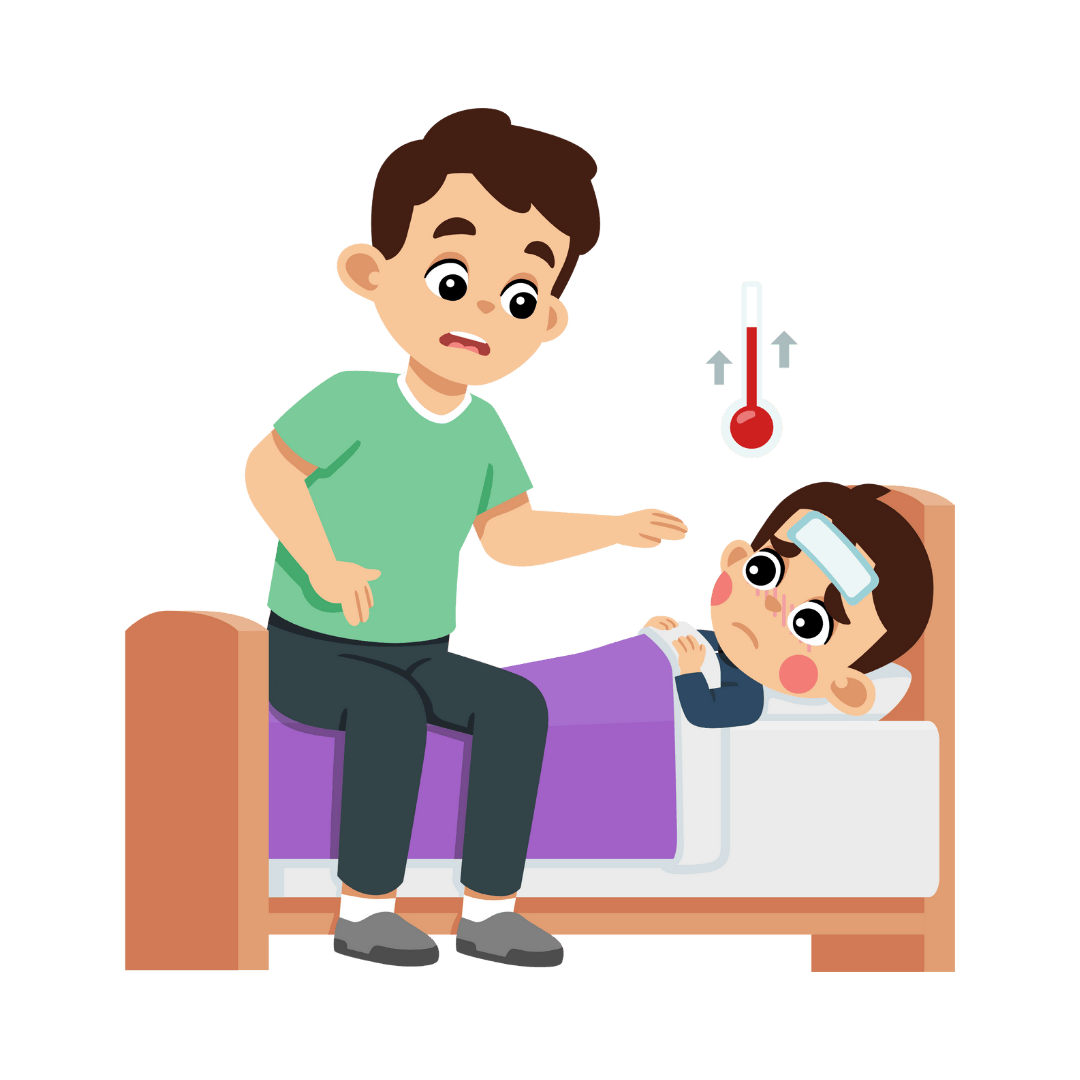
Flu vs. Common Cold – What’s the Difference?
- Flu: Sudden onset, high fever, severe exhaustion and body aches
- Cold: Milder symptoms, low or no fever, mostly nasal congestion and sore throat
When to Contact Your Pediatrician:
- High fever lasting more than 3 days
- Difficulty breathing or rapid breathing
- Extreme fatigue or excessive sleepiness
- Signs of dehydration (dry lips, reduced urination)
- Unusual irritability
- Multiple episodes of vomiting or diarrhea
How to Manage the Flu:
- Rest: Keep your child home, without school/activities until symptoms improve
- Fluids: Offer plenty of water, soups, or electrolyte drinks to prevent dehydration. If vomiting occurs, start giving small amounts of water 1.5–2 hours after the last episode
- Fever control: Use paracetamol (acetaminophen) or ibuprofen (always follow your pediatrician’s guidance)
- Antiviral medication: May be prescribed in more severe cases or if complications are likely
Prevention:
- Influenza vaccination: Safe and recommended for all children over 6 months, regarding the National Vaccination Schedule. It helps reduce the risk of serious illness
- Good hygiene practices (e.g., frequent hand washing)
- Avoid contact with sick individuals