

Every child develops at their own pace, but there are certain developmental milestones that parents and caregivers can monitor.
Normal development includes:
- Gross motor skills: Using large muscle groups to sit, stand, walk, run, and maintain balance.
- Fine motor skills: Using hands to eat, draw, write, dress and perform other precise movements.
- Speech and communication: Using sounds, speech, gestures, or body language to communicate and understand others.
- Cognitive and learning skills: Understanding, learning, and memory.
- Social skills: Interacting, cooperating, and forming relationships with family and peers.

1. Newborn Stage (0-2 months):
- Reflexive movements (e.g., sucking, grasping)
- Lifting the head briefly when on their stomach
- Focusing on nearby objects (20–30 cm from the face)
- Reacting to loud sounds
- Responding to voices (e.g., calming down when hearing the mother’s voice)
- First social smile appears around 6 weeks
2. Infancy (2 months - 1 year):
- Head control (by 3–4 months)
- Sitting without support (6–8 months)
- Crawling (7–10 months) and walking (10–12 months)
- Exploring objects (grasping, mouthing)
- Recognizing familiar faces and objects
- Babbling (4–6 months), first words (9–12 months)
- Separation anxiety (8–12 months)
- Responding to smiles and interactive games like peek-a-boo
3. Toddlerhood (1-3 years):
- Improved balance (running, climbing stairs)
- Using a spoon
- Developing imagination and problem-solving skills
- Recognizing shapes, colors, and objects
- Progressing from single words (12–18 months) to 2–3 word phrases (24–36 months)
- Increased independence but also tantrums
- Beginning to form peer relationships

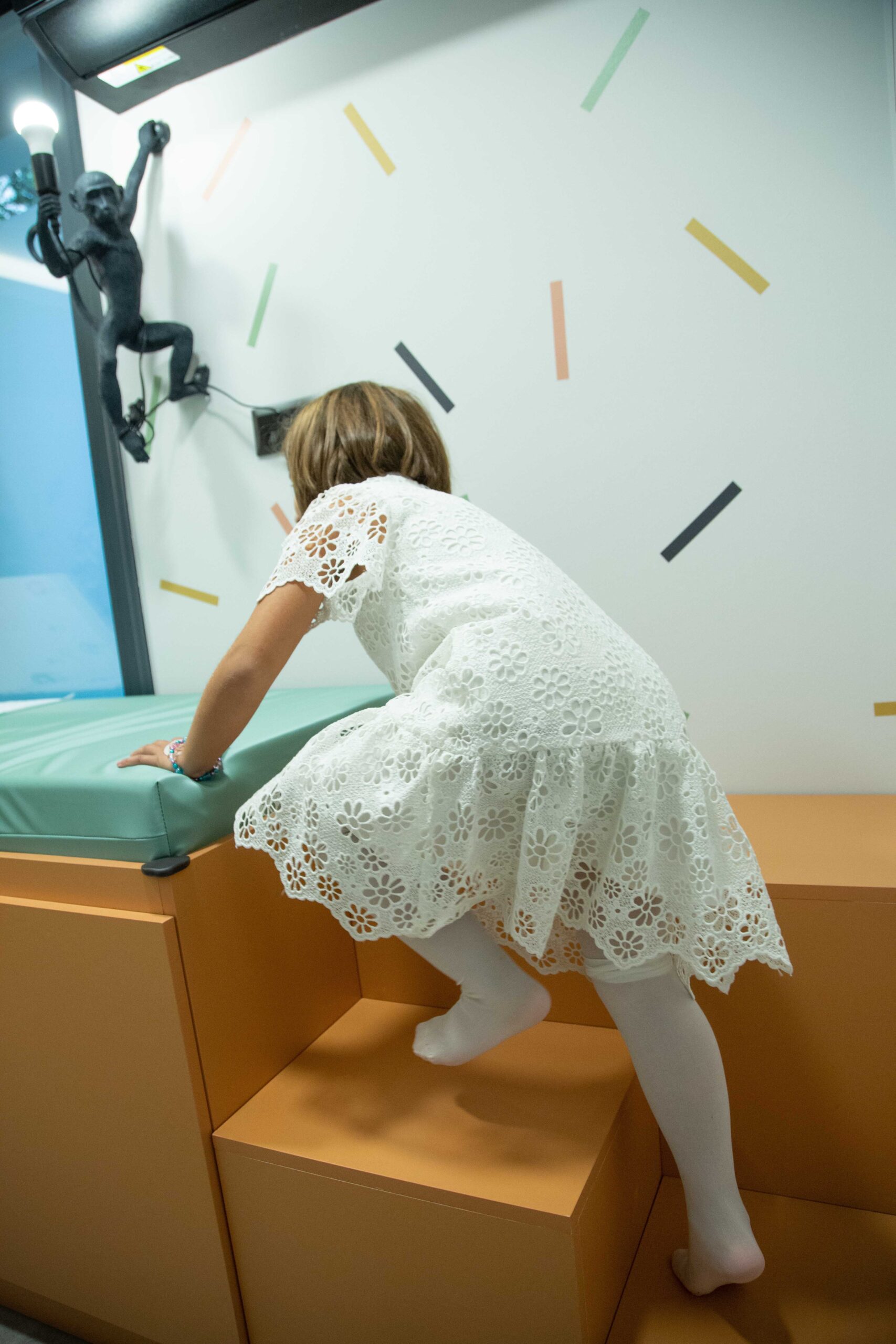
4. Preschool Age (3-6 years):
- Better motor coordination (jumping, riding a bike)
- Ability to dress themselves
- Understanding basic concepts (e.g., time, size)
- Development of imaginative play and creativity
- Vocabulary of 1,000–2,000 words
- Using complex sentences and basic storytelling
- Cooperative play with other children
- Developing empathy and understanding emotions
5. School Age (6-12 years):
- Gradual development of strength and endurance
- Improved fine motor skills (writing, drawing)
- Growth in logical thinking and problem-solving
- Acquiring reading, writing, and math skills
- Importance of friendships and rules
- Understanding fairness and morality


6. Adolescence (12-18 years):
- Rapid growth in height and weight
- Onset of puberty, with hormonal changes and secondary sexual characteristics
- Development of abstract thinking and critical reasoning
- Goal setting and planning for the future
- Emphasis on identity and autonomy
- Peer influence and increasing desire for independence
Monitoring these developmental stages helps identify any delays or issues early on, so they can be addressed promptly with the support of specialists.