
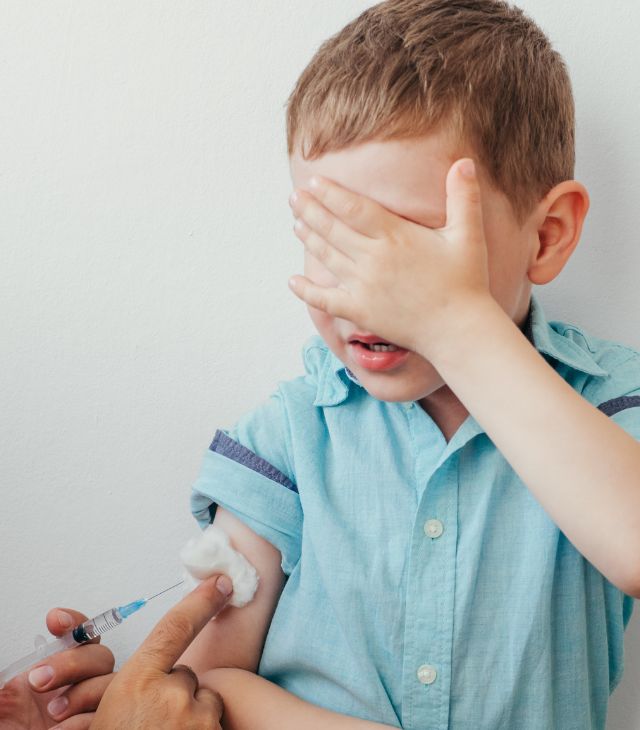
Vaccinating children is one of the most important preventive measures to protect them from serious diseases. It also protects the broader population through the development of herd immunity.
Why is vaccination important?
1. Protection from serious diseases:
Vaccines protect against diseases such as measles, rubella, mumps, whooping cough, polio, and tetanus. These illnesses can lead to serious complications or even death.
2. Reduction of infection spread:
By vaccinating children, the spread of diseases within the community is limited.
3. Long-term protection:
Some vaccines provide lasting immunity, preventing illness even later in adult life.
Vaccination Schedule
Most countries, have a national immunization program that sets the recommended age and sequence for vaccine administration.
In Greece, the National Immunization Program for Children and Adolescents includes vaccines against:
- Hepatitis B
- Diphtheria
- Tetanus
- Whooping cough (DTPa)
- Haemophilus influenzae type B (Hib)
- Polio
- Measles
- Mumps
- Rubella (MMR)
- Pneumococcus
It also includes newer vaccines such as those against HPV (human papillomavirus),meningitis type B and influenza.
Are vaccines safe?
Vaccines used today have undergone rigorous clinical testing and are considered safe. Some side effects — like fever or redness at the injection site — are mild and temporary. Serious adverse reactions are extremely rare.
Myths vs. Facts
There are ongoing concerns about vaccine’s side effects, such as claims linking
vaccines to autism. These theories have been thoroughly debunked by numerous
scientific studies.
The World Health Organization (WHO) and public health authorities emphasize
that the benefits of vaccines far outweigh any potential risks.
You can find the National Vaccination Program here